People always ask me if Old Dubai is "still worth visiting" — as though it might have been demolished to make way for another indoor ski slope. It hasn't. And yes, it is. In fact, I'd argue a morning spent in the souks and along the Creek tells you more about this city than a week in Dubai Marina ever could.
I lived in Dubai for three years. The first month, I spent most of my free time in the malls and the glitzy bits. By month three, I was crossing the Creek on an abra every weekend, buying too much saffron, and arguing about gold prices with a man named Khalid. Old Dubai got under my skin.
In This Article
The Gold Souk — And the Chain I Overpaid For
The Deira Gold Souk is exactly what it sounds like: a covered market with hundreds of shops selling gold. Necklaces, bracelets, rings, earrings, bridal sets that weigh more than my laptop — it's all here, and it's all genuine. This is one of the largest gold markets on earth, and the sheer density of the stuff is genuinely disorienting the first time you walk through.
I should tell you about the chain.
My second week in Dubai, I walked into the Gold Souk thinking I'd just look. Within twenty minutes, a shopkeeper named Khalid had me sitting on a stool drinking Arabic coffee while he draped increasingly elaborate gold chains across my wrist. I walked out with an 18-karat chain that he swore was a "special price, just for you" — AED 1,200. I later found out the gold price that day meant it was worth about AED 900. Khalid: 1, Sarah: 0.
| Item | Typical price range | Notes |
|---|---|---|
| Simple 22k gold chain | AED 800 – 2,500 | Depends on weight and design |
| Gold bangle (22k) | AED 1,500 – 5,000 | Bridal sets go much higher |
| Small pendant | AED 300 – 800 | Good souvenir option |
| Gold ring | AED 400 – 1,500 | Customization available |
One more thing: you won't get scammed on the gold itself. Dubai has strict regulations from the Dubai government about gold purity, and every piece is hallmarked. The only thing you can overpay on is the making charge — so that's where your negotiation energy should go.
Spice Souk — Five Minutes from Gold, a Different World
Walk out of the Gold Souk, turn left, and within a couple of minutes you're in the Spice Souk. It hits you before you see it — frankincense, dried lemons, cumin, cardamom. The air is thick with it.
The Spice Souk is smaller and quieter than the Gold Souk. Most of the shops are open-fronted, with burlap sacks of spices stacked in neat rows. The sellers are less aggressive here (there's less margin in saffron than in gold, I suppose). My go-to purchases: Iranian saffron (AED 30–50 for a small box — check it's the real threads, not powdered), frankincense (AED 10–20 a bag, smells incredible when you burn it), and oud wood chips if I'm feeling fancy.
One Dirham, Two Minutes, Completely Brilliant
The abra ride across Dubai Creek costs AED 1. One dirham. You hand the driver a coin, sit on a wooden bench, and for about two minutes you're on the water, watching the Deira skyline on one side and Bur Dubai on the other. Dhows are moored along the banks. The wind cuts through the humidity. It's the single best thing you can do in Dubai for under ten dirhams.
The main crossing runs between Deira Old Souk Abra Station and Bur Dubai Abra Station. Boats leave constantly — every few minutes — and there's no schedule. You just show up, sit down, and go.
Al Fahidi — The Bit That Makes You Forget Where You Are
On the Bur Dubai side of the Creek, Al Fahidi Historic District is a cluster of restored wind-tower houses dating back to the 1800s. Narrow lanes, sand-coloured walls, quiet courtyards. When I first walked through here on a Tuesday morning, it was so peaceful I actually checked my phone to make sure I was still in Dubai.
There are small galleries, the excellent Coffee Museum (free entry, decent coffee), and the Dubai Museum inside Al Fahidi Fort — the oldest building in the city, built in 1787. The museum costs AED 3 (not a typo) and gives a surprisingly good overview of Dubai's history before oil money changed everything. I'd budget 30–45 minutes for it.
Al Fahidi is also home to the Sheikh Mohammed Centre for Cultural Understanding, which runs guided walking tours and cultural meals. If you want context beyond "this is old" — and most of us do — that's your best bet.
Al Seef — Where the Creek Gets a Makeover
Al Seef stretches along the Creek between Al Fahidi and the Abra station. It's relatively new — opened a few years back — and it's Dubai's attempt at blending old architecture with modern cafes, restaurants, and boutique shops. Parts of it look genuinely old. Other parts look like a film set of something old. I'm still not sure how I feel about it, honestly.
But the waterfront promenade is pleasant, there are some good lunch spots (I'm partial to Arabian Tea House — more on that in a moment), and it's a natural extension of any Al Fahidi visit. Just don't expect authentic souk energy; this is curated heritage, and it knows it.
My favourite lunch near the Creek: Arabian Tea House in Al Fahidi. It's in a courtyard with fairy lights and mismatched furniture. Order the chicken machboos and the karak tea. About AED 60–80 for a full meal. I've taken every visitor there, and not one has complained.
A Route That Doesn't Require a Fitness Tracker
Here's how I'd spend a half-day in Old Dubai, assuming you start around 9 AM:
- Start at the Gold Souk in Deira (take the metro to Al Ras station). Walk through, look, haggle if you want, have some coffee. 45 minutes to an hour.
- Spice Souk — it's right next door. 20–30 minutes.
- Walk to the Abra station at Deira Old Souk. Take the AED 1 boat across the Creek. 5 minutes.
- Al Fahidi Historic District — wander the lanes, visit the Dubai Museum, pop into a gallery. 45 minutes to an hour.
- Lunch at Arabian Tea House or one of the Al Seef restaurants. Sit. Rest. You've earned it.
- Walk along Al Seef waterfront if you have energy left. Otherwise, grab a taxi home. You've done the hard bit.
Total walking distance: roughly 3 km. Total cost (excluding gold impulse purchases): under AED 100.
Timing Matters More Than You Think
Go in the morning, before 11 AM. Or go in the evening, after 5 PM.
Do not — and I cannot stress this enough — go at 2 PM between May and October. I made this mistake exactly once, in July. The Gold Souk has some covering, but the walk between the souks and the abra station is exposed, and at 2 PM in a Dubai summer it's over 45°C. I was drenched before I reached the boat. It was miserable. The spices wilted. I wilted.
Winter months (November through March) are perfect. Temperatures hover around 25°C, and you can comfortably walk around all day.
Two Dubais, One City
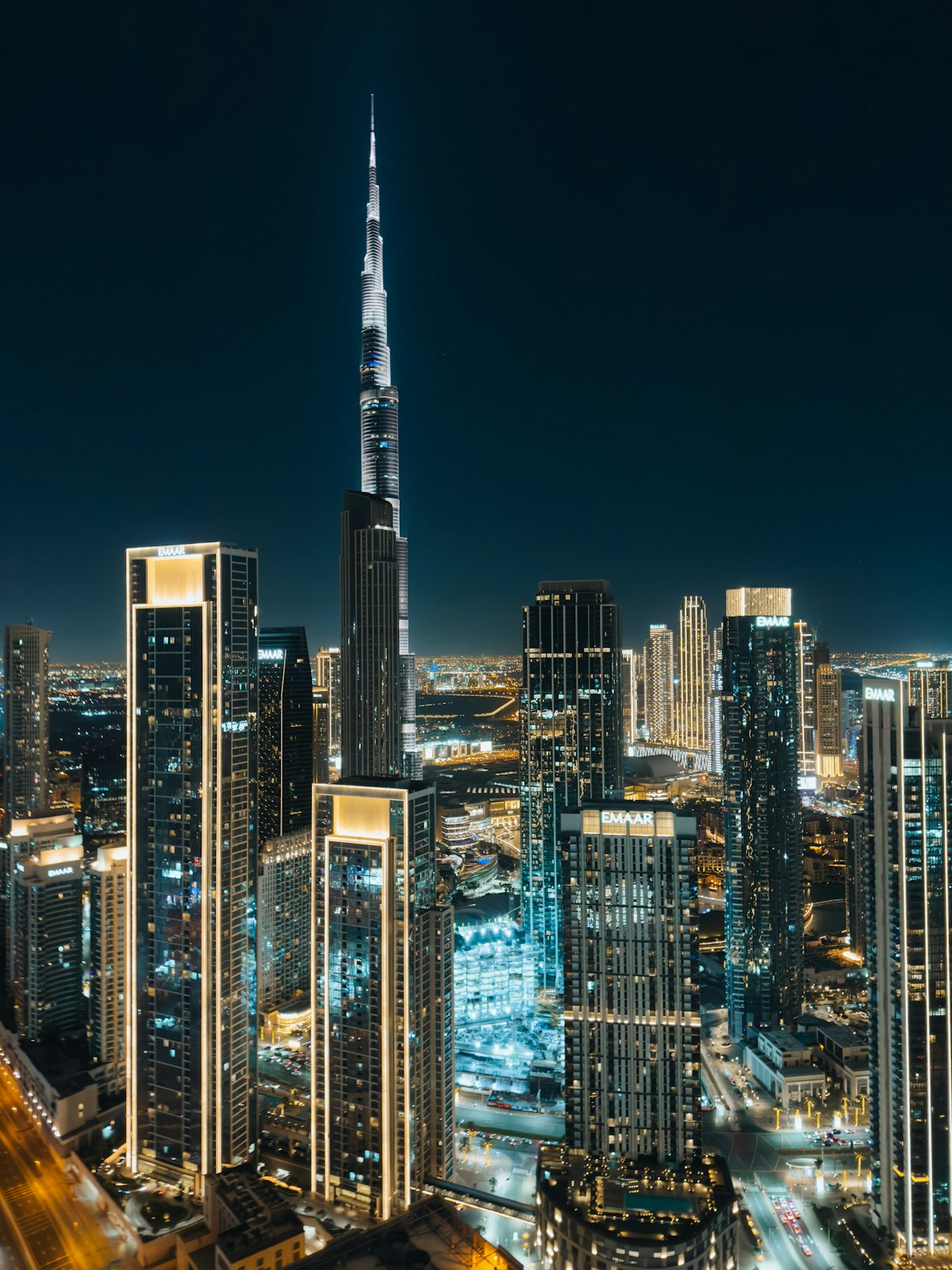
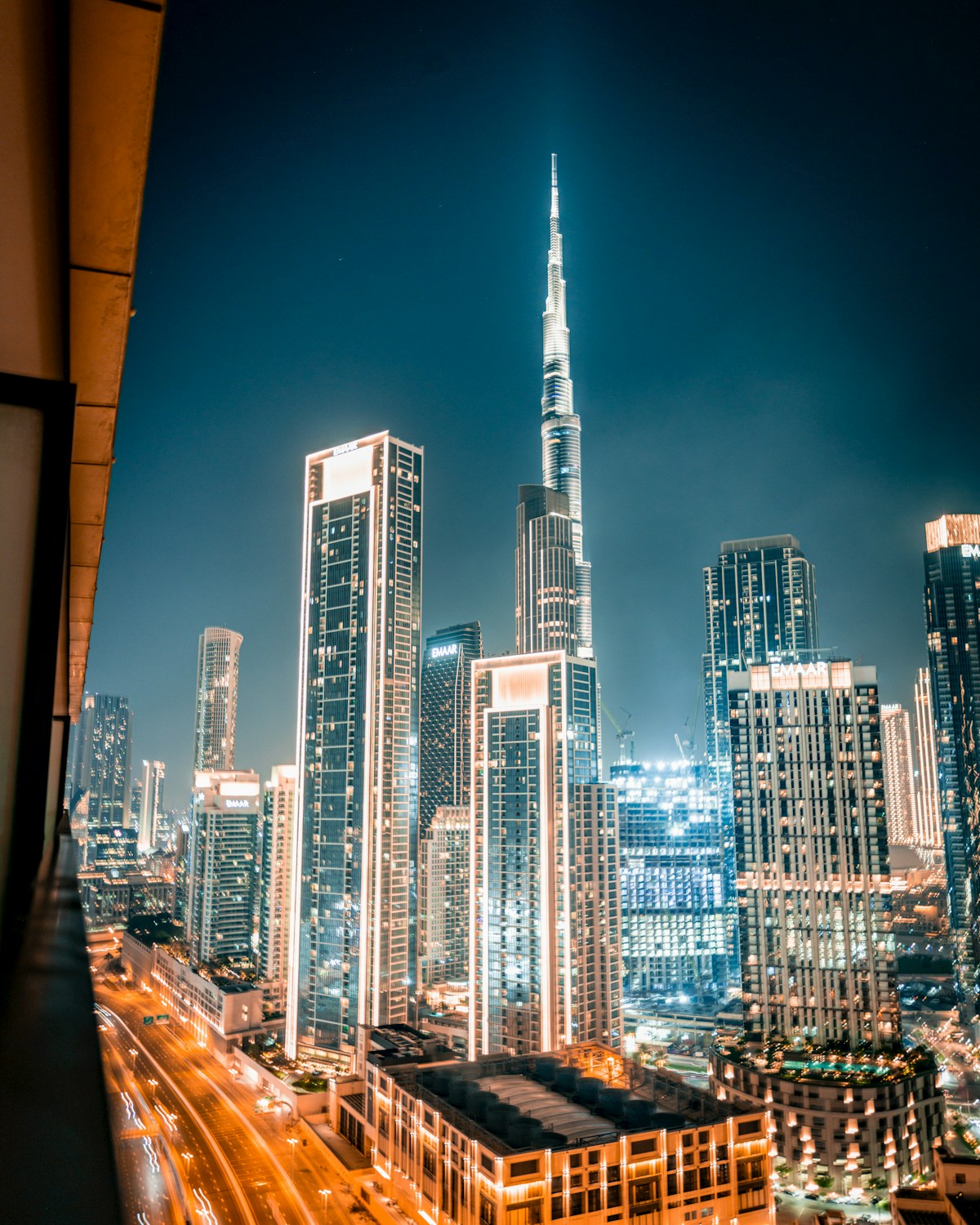
Here's what gets me every time. You spend a morning in the souks, bargaining over saffron and riding a wooden boat that costs less than a bottle of water, and then you look up and see the skyline — Burj Khalifa, the Frame, towers of glass and steel that didn't exist twenty years ago. The contrast is absurd, and it's real, and it's what makes this city unlike anywhere else I've lived.
Most visitors spend their entire trip in New Dubai, and I get it — the beaches, the malls, the big-ticket attractions are all over there. But Old Dubai is where you understand how this city actually happened. A trading port. Merchants. Pearl divers. People crossing the Creek long before there was a metro underneath it.
Take the morning. Cross the Creek. Buy some saffron. Eat machboos in a courtyard. Then go back to your air-conditioned hotel room and think about what you just saw. It's still the best free history lesson in the city — well, AED 1, if we're counting the abra.
For more ideas on making the most of your time, have a look at my Dubai food guide or my budget tips for Dubai.