Jumeirah Beach is not one beach. That's the first thing visitors get wrong, and it leads to all sorts of confusion — people showing up at the wrong stretch of sand, expecting a quiet morning swim and landing in the middle of a DJ set, or assuming every bit of coastline is free when some of it very much isn't.
The name "Jumeirah Beach" covers roughly 10 kilometres of coastline on Dubai's western shore, and it ranges from completely free public beaches to AED 500-a-day beach clubs where they bring your sunscreen on a silver tray. Here's what's actually where, and what each part costs.
In This Article
The Free Beaches — And They're Genuinely Good
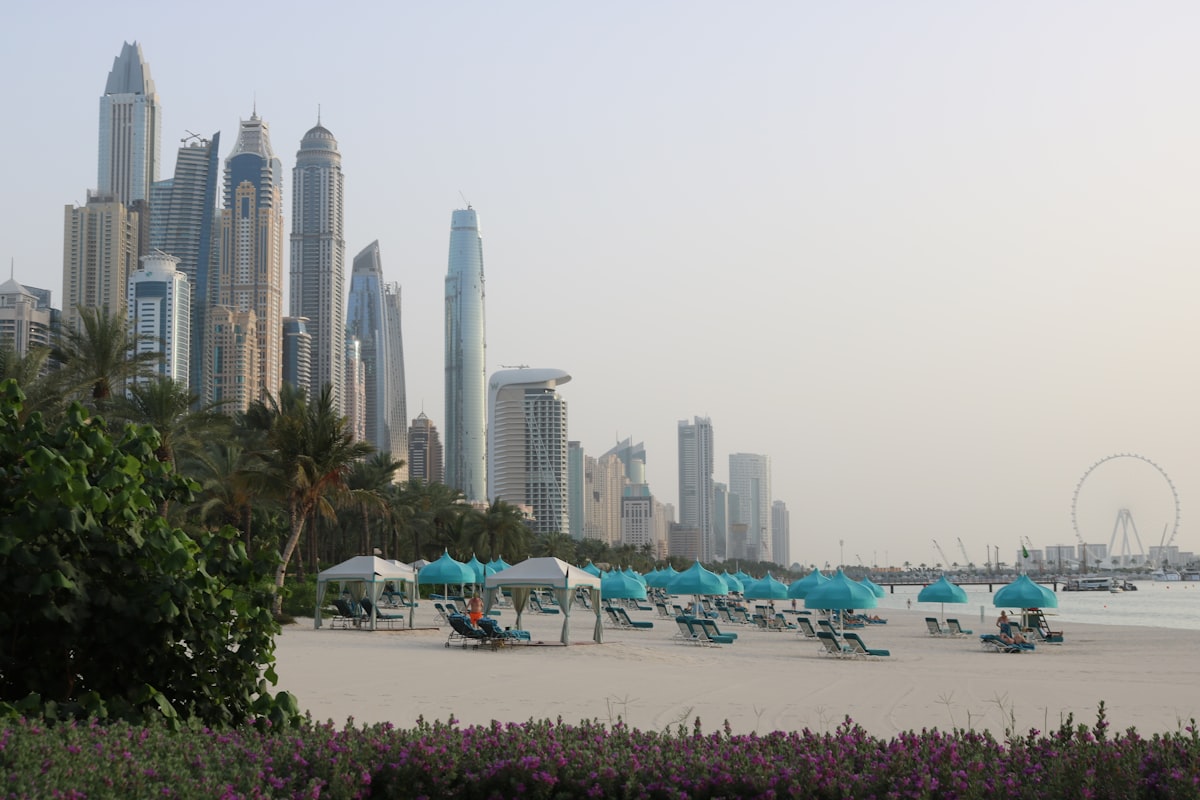
JBR Open Beach is where most tourists end up. It's the stretch directly in front of the Jumeirah Beach Residence towers, it's free, and it's well-maintained — clean sand, lifeguards on duty, showers and changing facilities. The Burj Al Arab is visible to the south. On weekday mornings it's pleasant. On Friday afternoons it resembles a very sandy music festival.
Kite Beach is my favourite. It's about 4 km south of JBR, behind the Kite Beach complex off Umm Suqeim Road. The sand is wider, the crowd is younger and more active (runners, kite surfers, people doing those inexplicable group workout sessions), and there's a strip of food trucks and small cafes along the back. Free entry, free parking if you arrive before 10 AM on weekends.
La Mer is Meraas-developed beachfront in the Jumeirah 1 area. The beach itself is free, but the surrounding area is a curated complex of restaurants, boutique shops, and an inflatable water park (AED 120 for adults). It's designed to feel like a Mediterranean beach town, and it mostly succeeds — until you visit on a Friday and can't find a spot to sit within 200 metres of the water.
I made the mistake of going to La Mer on the first Friday of December. Never again. The car park was a 30-minute ordeal, the beach was shoulder-to-shoulder towels, and I spent AED 45 on a smoothie because the queue at the cheaper place was out the door. Go on a Tuesday. Seriously. It's a different planet on a weekday.
Beach Clubs — Paying for the Privilege of Space
Dubai's beach clubs charge you for what public beaches give you for free — sand, sea, and sun — plus a lounger, a pool, waiter service, and the absence of other people's children running over your towel. Whether that's worth AED 150–500+ depends entirely on what kind of beach day you want.
| Beach Club | Day Pass Price | What You Get | Worth It? |
|---|---|---|---|
| Zero Gravity | AED 150–250 (day dependent) | Lounger, pool, beach, food/drink minimum spend | Yes, on weekdays |
| Nikki Beach | AED 250–400 | Lounger, pool, DJ, upscale crowd | If you like the scene |
| Drift Beach (One&Only) | AED 350–500 | Premium lounger, butler service, quiet atmosphere | For a splurge |
| Summersalt (Jumeirah Al Naseem) | AED 200–350 | Pool, beach, Burj Al Arab view | Best view of any club |
Most clubs operate on a minimum-spend model — your entry fee converts to credit for food and drinks. Which sounds fair until you see that a club sandwich is AED 85 and a beer is AED 65. Budget accordingly.
Water Sports — What Things Actually Cost
JBR beach is the main hub for water sports. The operators line the sand with signs, and the haggling starts the moment you make eye contact. Here's what you should expect to pay (these are fair prices — don't pay more):
- Jet ski: AED 200–350 for 30 minutes. Fun but loud, and they keep you within a designated zone so you're not exactly exploring
- Parasailing: AED 250–400 per person. About 10 minutes in the air. The views of the Palm and the Marina skyline are genuinely spectacular from up there
- Paddleboarding: AED 80–120 per hour. Best done early morning when the sea is flat
- Flyboarding: AED 300–500 for 20 minutes. You will fall. Repeatedly. It's still entertaining
For jet skis especially, make sure the operator is licensed by Dubai Tourism. The unlicensed ones are cheaper but your insurance won't cover any accidents, and the equipment is often older.
The Dress Code Nobody Tells You About
These rules sound strict on paper. In practice, nobody will bother you if you're wearing normal beachwear and being reasonable. Just don't be the tourist who walks into a cafe in a wet bikini and acts surprised when someone says something.
Timing Is Everything
Best months: November through March. Water temperature hovers around 22–25°C, air temperature is 25–30°C, and the humidity is manageable. October and April are borderline — fine early morning, brutal by midday.
Avoid: June through September. It's 40°C+ with 80% humidity, the sand is hot enough to burn your feet through flip-flops, and the water feels like a warm bath. Some beach clubs stay open (with misting systems and shade structures), but it's not a beach day by any normal definition. For general things to do in Dubai, summer does have its own indoor options — but the beach isn't one of them.
Best time of day: Before 10 AM or after 4 PM. The midday sun, even in winter, is stronger than most Europeans expect. I've watched many a British tourist turn a shade of lobster-red by noon because they assumed January sun wouldn't be a problem. It is.
After Three Years, Here's Where I'd Go
For a normal beach day: Kite Beach, arriving by 8:30 AM on a weekday. Swim, walk, grab a coffee from Salt (the little silver food truck — flat white for AED 18), watch the kite surfers. Leave before it gets crowded. That's a perfect morning.
For a treat: Summersalt at Jumeirah Al Naseem. It's expensive, but the Burj Al Arab is right there, the pool is beautiful, and the service is the kind where they remember your drink order. A once-per-trip splurge, not an everyday thing.
For visitors staying in the Marina area, JBR Open Beach is the obvious choice — it's right there, it's free, and it's fine. Just don't go on a Friday expecting peace. See our Dubai Marina guide for the full picture of that neighbourhood, or check TripAdvisor's Dubai beach listings for current reviews and operator ratings.
What to bring: sunscreen (factor 50, reapply every 90 minutes — the Gulf sun doesn't care about your confidence), a refillable water bottle (there are filling stations at Kite Beach and JBR), a cover-up for walking to and from the car, and AED 50–100 in cash for food trucks or nearby dining. Leave the valuables at the hotel. There are lockers at JBR (AED 20) but nothing at Kite Beach — I've always just kept my phone in a waterproof pouch and left everything else locked in the car.