I'll say this upfront: I love Dubai, but the city tried to kill me one July. I walked 400 metres from my apartment in JLT to the metro station — four hundred metres — and arrived looking like I'd been pushed into a swimming pool. My shirt was translucent. A man at the ticket machine actually asked if I was okay.
That's Dubai summer. And it's the single biggest thing most first-time visitors underestimate when planning a trip. The difference between visiting in January and visiting in August isn't just "a bit warmer." It's two entirely different cities.
In This Article
Dubai Doesn't Have Four Seasons. It Has Three.
Forget spring and autumn. Dubai's year breaks down like this: the good months, the tolerable months, and the months where the air feels like a hair dryer pointed at your face. Understanding this is genuinely the most useful thing you can learn before booking flights.
Winter: November to February — The Golden Window
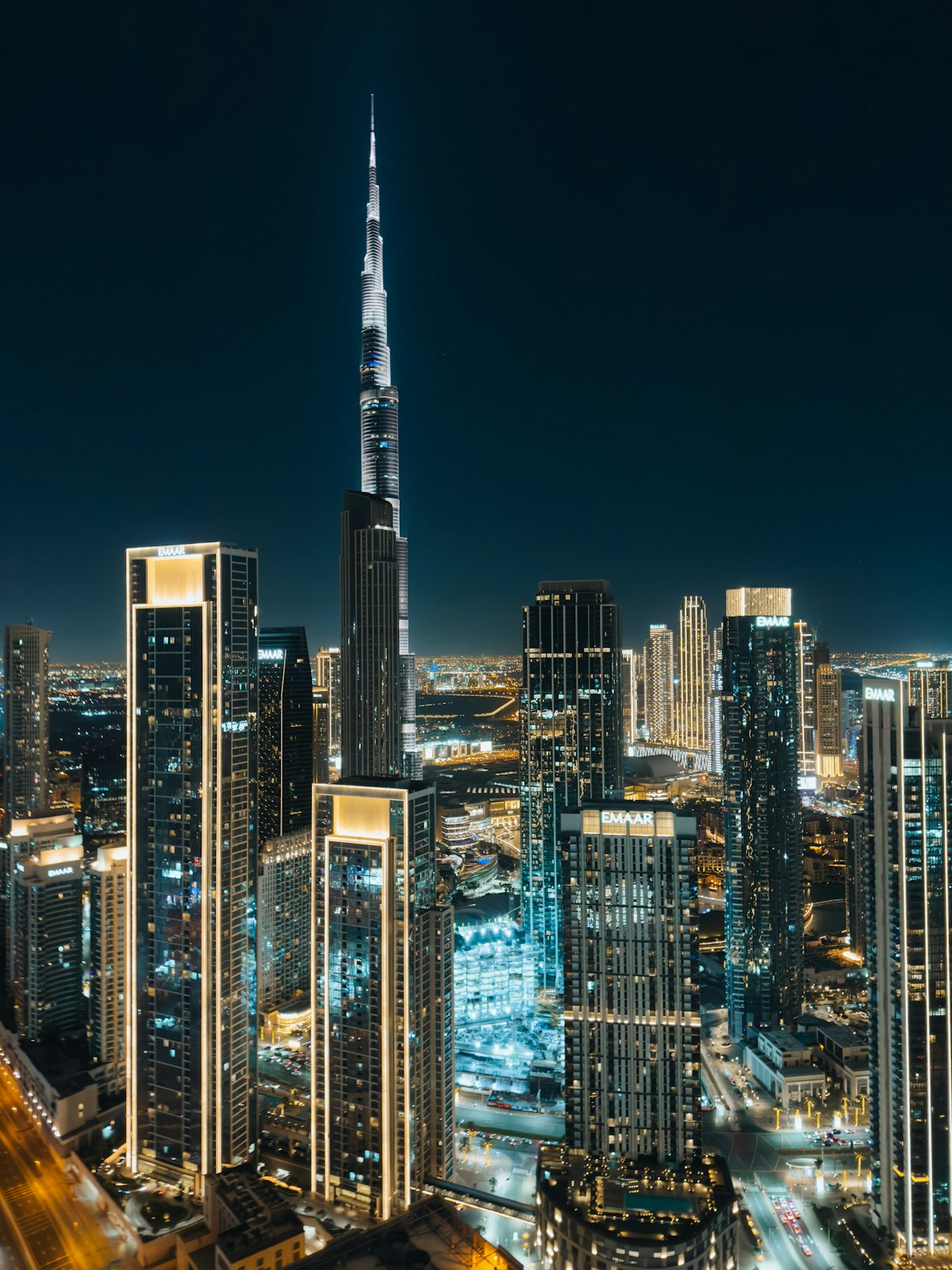
This is when Dubai works perfectly. Daytime temperatures hover between 20°C and 27°C, the humidity drops to bearable levels, and you can actually eat outdoors at a restaurant without your food going cold from the air conditioning battle (because there's no air conditioning battle — you're outside, and it's pleasant).
December and January are the peak. The Dubai Shopping Festival runs through January, there are fireworks and events everywhere, and the beaches are gorgeous. The catch? Everyone knows this. Hotel prices spike 40-60% compared to summer, flights from Europe are at their most expensive, and popular restaurants like Zuma and Nobu need reservations weeks ahead.
February is my personal favourite. Still perfect weather, but the Christmas/New Year crowds have thinned out. Prices ease off slightly. I've scored rooms at the Address Downtown for AED 850/night in February that would have been AED 1,400 in December.
If you can only visit Dubai once, come in February. Same weather as December, half the crowds, and you won't need to book a beach club three weeks in advance just to get a sunbed.
Shoulder Months: March, April, and October
March starts beautifully — mid-20s, breezy, still pool weather. By late March it's creeping into the low 30s. April is where it tips: 33-36°C most days, and the humidity starts making a comeback. You can still do outdoor things in the morning, but by 1 PM you'll be looking for a mall.
October is the mirror image. It's still properly hot at the start (35°C+), but by late October the worst is over. I think of October as the month when Dubai starts breathing again — residents emerge from their apartments, outdoor brunches resume, the city remembers it has pavements.
The real advantage of shoulder months is pricing. Hotels drop 20-30% from peak rates, and flight deals pop up regularly. You're trading perfect weather for good-enough weather and real savings.
Summer: May to September — Brutal, But Cheap
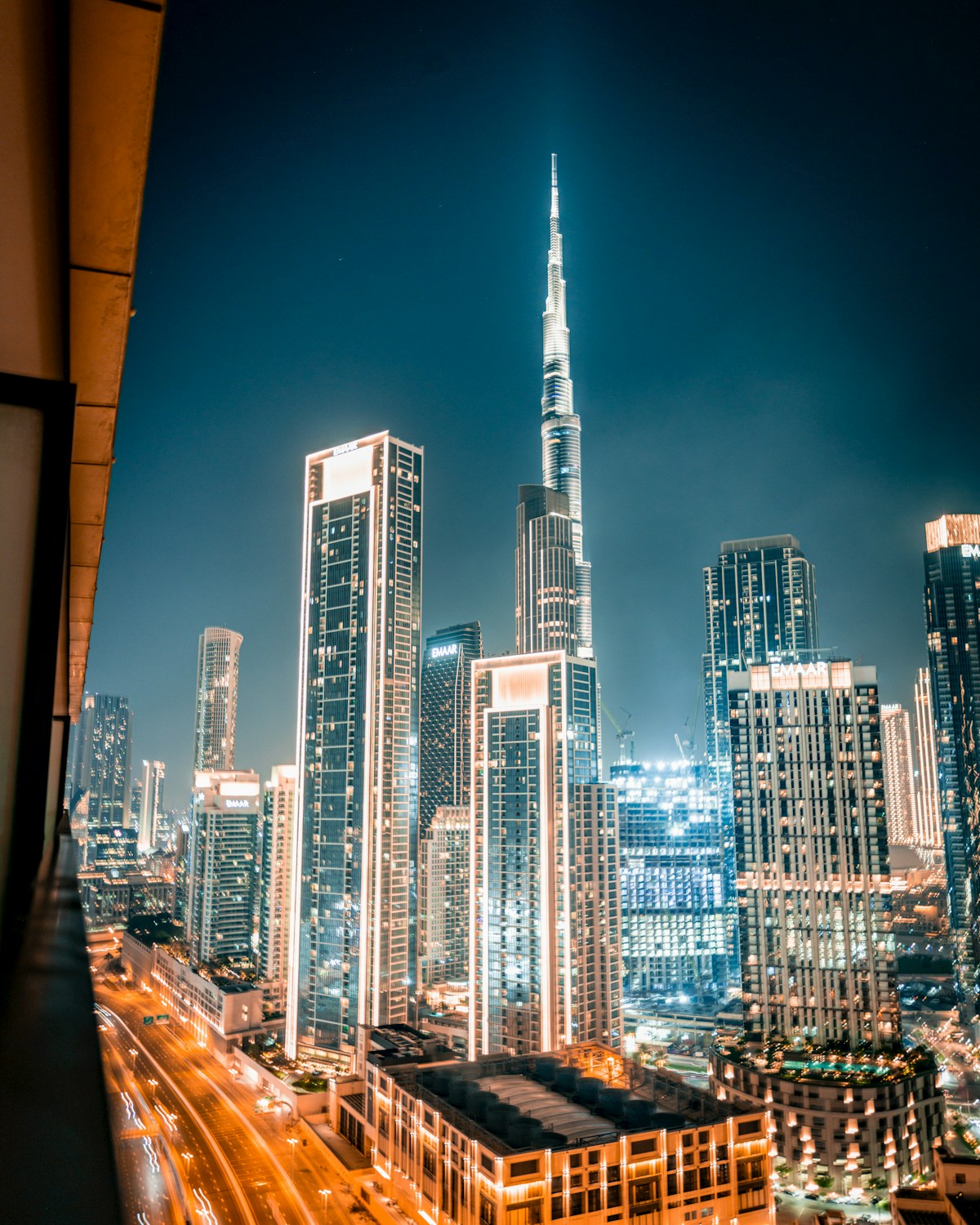
Right. Here's where I have to be honest with you.
Dubai between June and August regularly hits 45-48°C. That's the air temperature — surfaces are hotter. I once left a pair of sunglasses on my car dashboard in August and they warped. The humidity in coastal areas can push the "feels like" temperature above 55°C. According to timeanddate.com, Dubai averages zero rainfall between June and September. Zero. It's a furnace with 95% humidity.
So why would anyone come?
Because indoor Dubai is a different universe. The malls, the restaurants, the hotels — everything is cranked to Arctic-level air conditioning. And the deals are extraordinary. Five-star hotels that charge AED 2,000/night in January will sell the same room for AED 700-900 in July. I'm talking Jumeirah properties, Ritz-Carlton, Atlantis. Restaurants run summer promotions — AED 199 brunches at places that normally charge AED 550.
Pools are heated year-round in Dubai (I know, it sounds absurd), so hotel pool time is actually pleasant even in summer — the water's cooler than the air. And water parks like Aquaventure are open, with virtually no queues compared to winter.
Month-by-Month Quick Reference
| Month | Avg. High | Vibe | 5-Star Hotel (per night) |
|---|---|---|---|
| January | 24°C | Peak season, perfect weather | AED 1,200–2,500 |
| February | 25°C | Still perfect, fewer crowds | AED 1,000–2,000 |
| March | 28°C | Warm, comfortable | AED 800–1,600 |
| April | 33°C | Getting hot, still doable | AED 700–1,400 |
| May | 38°C | Hot. Indoor activities. | AED 500–1,000 |
| June | 41°C | Very hot. Deals galore. | AED 450–900 |
| July | 43°C | Peak heat. Cheapest rates. | AED 400–850 |
| August | 43°C | Peak heat + humidity | AED 400–850 |
| September | 40°C | Still brutal, slowly easing | AED 500–1,000 |
| October | 35°C | Transition month, decent | AED 700–1,300 |
| November | 30°C | Lovely. Season starts. | AED 900–1,800 |
| December | 26°C | Peak season, NYE madness | AED 1,400–3,000+ |
Hotel prices are rough ranges for well-known 5-star properties (Address, Jumeirah, Ritz-Carlton). Budget and mid-range hotels follow a similar seasonal curve but at lower price points.
Ramadan — What It Actually Means for Tourists
Ramadan shifts by about 11 days each year (it follows the Islamic lunar calendar), so check the exact dates for your travel year. In 2025, it's expected to fall roughly in late February through March.
Here's what changes: during daylight hours, eating, drinking, and smoking in public is restricted — this applies to tourists too, not just Muslims. Most restaurants close during the day or screen off their windows. Hotel restaurants usually stay open for guests, serving behind partitions. The pace of the city slows down. Government offices and many businesses operate on shorter hours.
But here's what most guides won't tell you: Ramadan evenings in Dubai are genuinely special. After sunset (iftar), the city comes alive in a completely different way. Hotels put on magnificent iftar buffets — the one at Asil in DIFC was one of the best meals I've had in Dubai, AED 280 per person. The streets have a festive, communal atmosphere. And because many tourists avoid Ramadan, hotel prices drop noticeably.
I wouldn't avoid Dubai during Ramadan. I'd just adjust expectations. No daytime poolside cocktails. But the evenings more than compensate.
Dubai Shopping Festival & Other Events Worth Planning Around
Dubai Shopping Festival (January): Discounts across every major mall, plus raffles, street markets, and fireworks. It's been running since 1996 and it's genuinely massive — we're talking 30-75% off at places like Dubai Mall, Mall of the Emirates, and Ibn Battuta. If shopping is your thing, this is the time.
Dubai Food Festival (February/March): Restaurant deals, pop-up dining events, and Beach Canteen at JBR. Great fun.
Dubai Summer Surprises (July-August): The city's attempt to lure people out during the heat with sales and entertainment. Honestly, it works — I've bought winter clothes at 70% off in July (a surreal experience in 45°C heat).
The Visit Dubai events calendar has the full list, updated regularly.
What to Pack
When I Visit Now
The honest truth is there's no bad time to visit Dubai if you know what you're getting into. January is objectively the best weather. July is objectively the best price. Everything else is a trade-off between the two. Just don't do what I did and land in August assuming "it can't be that bad." It can. It is. Pack accordingly, or better yet, plan your budget around a winter trip and thank me later.