For a city that's famous for Lamborghinis and gold-plated everything, Dubai has a surprisingly good public transport system. I know that sounds like faint praise, but I mean it — I relied on the metro and tram daily for almost two years, and it genuinely worked. Reliably, cheaply, and in aggressive air conditioning that made the 46°C outside feel like someone else's problem.
Knowing which bits of the system are brilliant, which bits are "fine," and which bits you should skip entirely in favour of a taxi. So here's the full breakdown from someone who's tapped a NOL card approximately four thousand times.
In This Article
NOL Cards — The First Thing You Should Buy
Nothing in Dubai's public transport system works without a NOL card. Not the metro, not the tram, not the buses, not even the water taxis. It's the unified payment card for all RTA (Roads and Transport Authority) services, and buying one should be the first thing you do after clearing immigration.
There are three types, and they matter more than you'd think:
- Red NOL card (AED 2): Paper ticket, single-use or day pass. Good for tourists making just a couple of trips. You buy it, load one journey or a day pass onto it, and it expires after 90 days. The limitation: you can only load up to 10 trips, and it doesn't work on Gold Class.
- Silver NOL card (AED 25, includes AED 19 credit): The one I'd recommend for most visitors. Rechargeable, works everywhere, lasts 5 years. You load credit and tap on/off. If you're in Dubai more than two days, get this.
- Gold NOL card (AED 25, includes AED 19 credit): Same as Silver, but gives you access to Gold Class cabins on the metro and tram. Fares are roughly double the standard rate. Worth it if you're commuting during peak hours or just want a quieter ride (more on this below).
The Metro — Dubai's Best-Kept Transport Secret
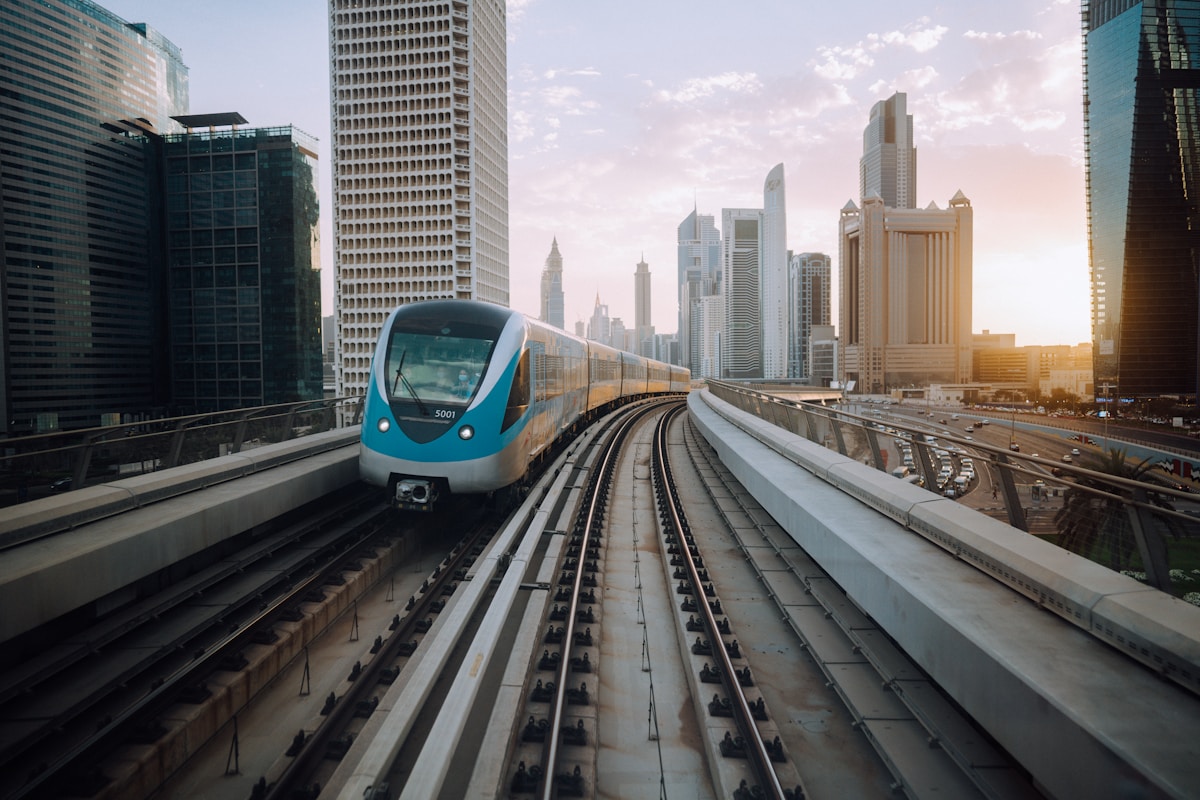
Dubai's metro is driverless, elevated, and covers most of the areas tourists actually care about. There are two lines:
The Red Line is the one you'll use most. It runs from Rashidiya (near the airport) through Deira, Bur Dubai, Downtown, Business Bay, and all the way down to Dubai Marina, JBR, and Ibn Battuta before terminating near Expo City. Key stations: Union (interchange with Green Line), BurJuman (interchange), Burj Khalifa/Dubai Mall, Financial Centre (DIFC), and DMCC (Dubai Marina).
The Green Line loops around the older parts of the city — Creek, Deira, Bur Dubai. It connects with the Red Line at Union and BurJuman. Honestly, most tourists won't use it much unless they're exploring the heritage areas around Al Fahidi or Gold Souk.
Operating hours:
- Saturday to Wednesday: 5:00 AM – midnight
- Thursday: 5:00 AM – 1:00 AM
- Friday: 10:00 AM – 1:00 AM
That Friday morning gap catches people out. If you've got a brunch booking at 11 AM on Friday and you're counting on the metro, double-check the timetable — or just take a taxi.
Gold Class — Absolutely Worth It
The front cabin of every metro train is Gold Class. Wider seats, fewer passengers, a panoramic windscreen view (remember, no driver), and it's noticeably quieter. During rush hour, the standard cabins get packed — we're talking armpit-to-face packed on the Red Line between 7:30 and 9:00 AM. Gold Class is never empty, but it's always manageable.
How much extra? About AED 3-4 per trip. Across a week of commuting, that's maybe AED 40 — roughly the cost of a single flat white at a Dubai Marina cafe. I upgraded to a Gold NOL card in my third month and never went back.
Standing at the front window of Gold Class gives you a street-level view of the entire city as the train glides above Sheikh Zayed Road. On a clear evening, with the sun setting behind the Marina towers, it's one of the best free views in Dubai. Well, AED 3 views.
Dubai Tram & the Palm Monorail
The Dubai Tram runs along Al Sufouh Road through Dubai Marina, JBR, and connects to the Palm Monorail at Palm Jumeirah station. It also links to the metro at DMCC and JLT stations. If you're staying in the Marina area, you'll probably use it.
It's slower than the metro — the tram stops at traffic lights, which feels oddly low-tech for Dubai — but it covers the stretch between the Marina and the Palm that the metro can't reach. A full end-to-end ride takes about 35 minutes.
The Palm Monorail runs from Gateway station (connected to the Tram) to Atlantis at the tip of the Palm. It's really more of a tourist ride than serious transport — AED 20 one-way, AED 30 return. The views are good, though. If you're visiting Atlantis, it's a fun way to arrive. If you're just going for the view, save your money and take a taxi to the Boardwalk instead.
Water Taxis and Abra Boats
Those traditional wooden abra boats crossing Dubai Creek are one of my favourite things about the city. For AED 1 — one dirham — you get a five-minute ride from Bur Dubai to Deira (or back) on a wooden boat that's been making the same crossing for decades. No NOL card needed for the old abras; you just hand the driver a coin.
It's not efficient transport. It's a moment. You're floating across the Creek with the Gold Souk on one side and the textile market on the other, surrounded by the smell of spices and the sound of boat engines, and for sixty seconds Dubai feels like a completely different city from the one with the robot police and the indoor ski slopes.
The RTA also runs modern water taxis and water buses along the Creek and the Marina. These cost AED 4-8 depending on the route and do require a NOL card. The RTA marine transport page has the full schedule. The Dubai Marina water bus is a pleasant way to see the towers from below, but it's not something I'd rely on for getting somewhere on time.
Buses — They Exist
Dubai has buses. They're clean, air-conditioned, and cheap (AED 3-5). They cover routes the metro doesn't reach. And in three years of living there, I took one about four times.
It's not the buses themselves that are the problem — it's the city's layout. Dubai is so spread out, and the bus routes are so circuitous, that what would be a 15-minute taxi ride becomes a 45-minute bus journey with three stops you don't recognise. Unless you're heading somewhere specifically served by a direct route (the Visit Dubai transport page lists them), I'd skip buses and combine metro with the occasional taxi.
Fare Zones and Prices
Dubai's metro and tram network is split into fare zones. The more zones you cross, the more you pay. Simple enough. Here's what standard (Silver NOL) fares look like:
| Zones crossed | Standard fare | Gold Class fare | Day pass |
|---|---|---|---|
| Within 1 zone | AED 3 | AED 6 | AED 22 (all zones, unlimited rides) |
| 2 zones | AED 5 | AED 10 | |
| 3+ zones | AED 7.50 | AED 15 |
Children under 5 ride free. Students and seniors get discounted NOL cards (Blue NOL) but you need an Emirates ID for those, so they're not relevant for tourists.
The daily cap on a Silver NOL is AED 22 — meaning once you've spent that in a day, every additional trip is free. If you're planning a full day of metro-hopping (say, airport to Downtown to Marina to Creek and back), the day pass essentially kicks in automatically.
Route Planning — Just Use Google Maps
I've tried the RTA's own journey planner. I've tried the S'hail app. Honestly? Google Maps does it better. It shows you real-time metro arrivals (mostly accurate), walking distances to stations, and suggests combinations of metro + tram + walking that the official apps sometimes miss.
One thing Google Maps won't tell you: some metro stations have absurdly long walkways between the platform and the actual exit. Burj Khalifa/Dubai Mall station, for example, involves a 12-minute walk through an underground tunnel to reach the mall entrance. Factor that in. When I first moved to Dubai, I budgeted "10 minutes" from the metro to Dubai Mall and arrived 20 minutes late to meet a friend.
Rush Hour — Avoid If You Can
Morning rush is 7:00–9:30 AM. Evening rush is 5:30–8:00 PM. During these windows, the Red Line between Rashidiya and Financial Centre is genuinely unpleasant in Standard Class. Bodies everywhere, bags in your face, that particular metro smell of too many people in an enclosed space.
My friend Tom — who'd only just arrived in Dubai — once accidentally stepped into the women-and-children-only cabin during morning rush hour. He didn't notice the pink signage. A fellow passenger pointed it out, politely but firmly. He moved. The next week, another male colleague wasn't so lucky and got fined AED 100 by an RTA inspector. The women's cabin is clearly marked — look for the pink decals on the platform and train doors. It's at the front of each train, just behind Gold Class.
My Honest Take on Getting Around Dubai
The metro is fantastic for anything along the Red Line corridor — airport, Downtown, Business Bay, Marina. For that strip, it beats taxis on time, cost, and stress. The tram is useful in Marina/JBR. Water taxis are fun but not practical. Buses are a last resort.
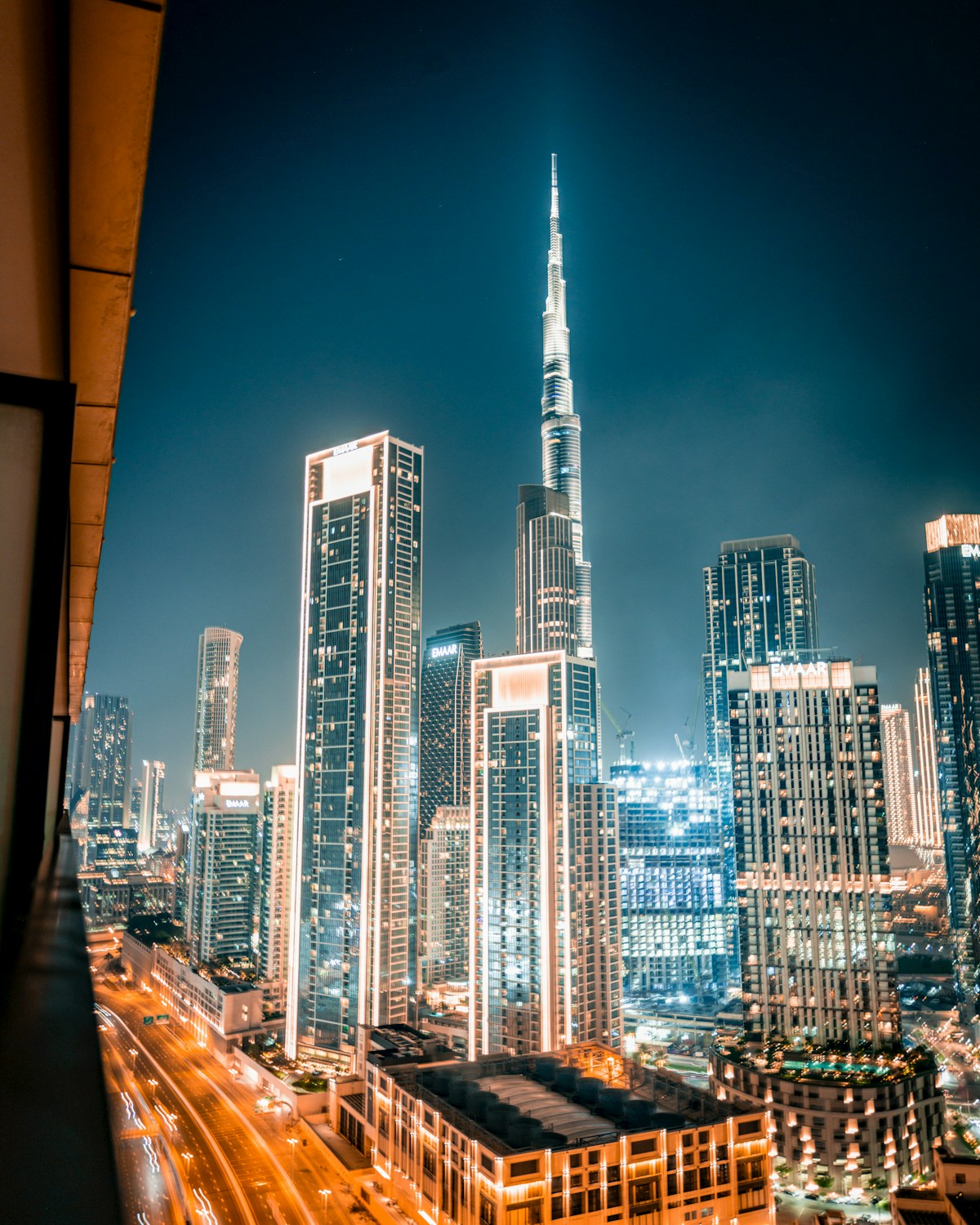
Where the system falls short is the last-mile problem. Dubai's blocks are enormous, and many attractions, restaurants, and hotels are a 15-20 minute walk from the nearest station — in a city where walking outdoors for more than 5 minutes between April and October requires serious dedication (or poor planning). So the real formula is: metro for the long distances, taxi or Careem for the last kilometre. That combination kept my monthly transport costs under AED 400, which for Dubai is practically free.
Get yourself a Silver NOL card, learn the Red Line stations, download Google Maps offline, and you'll be fine. If you're arriving at DXB airport, you can buy your NOL card right there at the metro station and ride into the city for AED 6. It's the best introduction to a city that does public transport far better than it gets credit for.